19 April 2024 · Updated 4 August 2026 · 5 min read
Looking after sealed concrete floors in the Sydney climate
Sealed concrete is popular in Sydney homes because it is tough, good looking and easy to live with. Keeping it that way takes very little, as long as you do the right little.
What sealing actually is
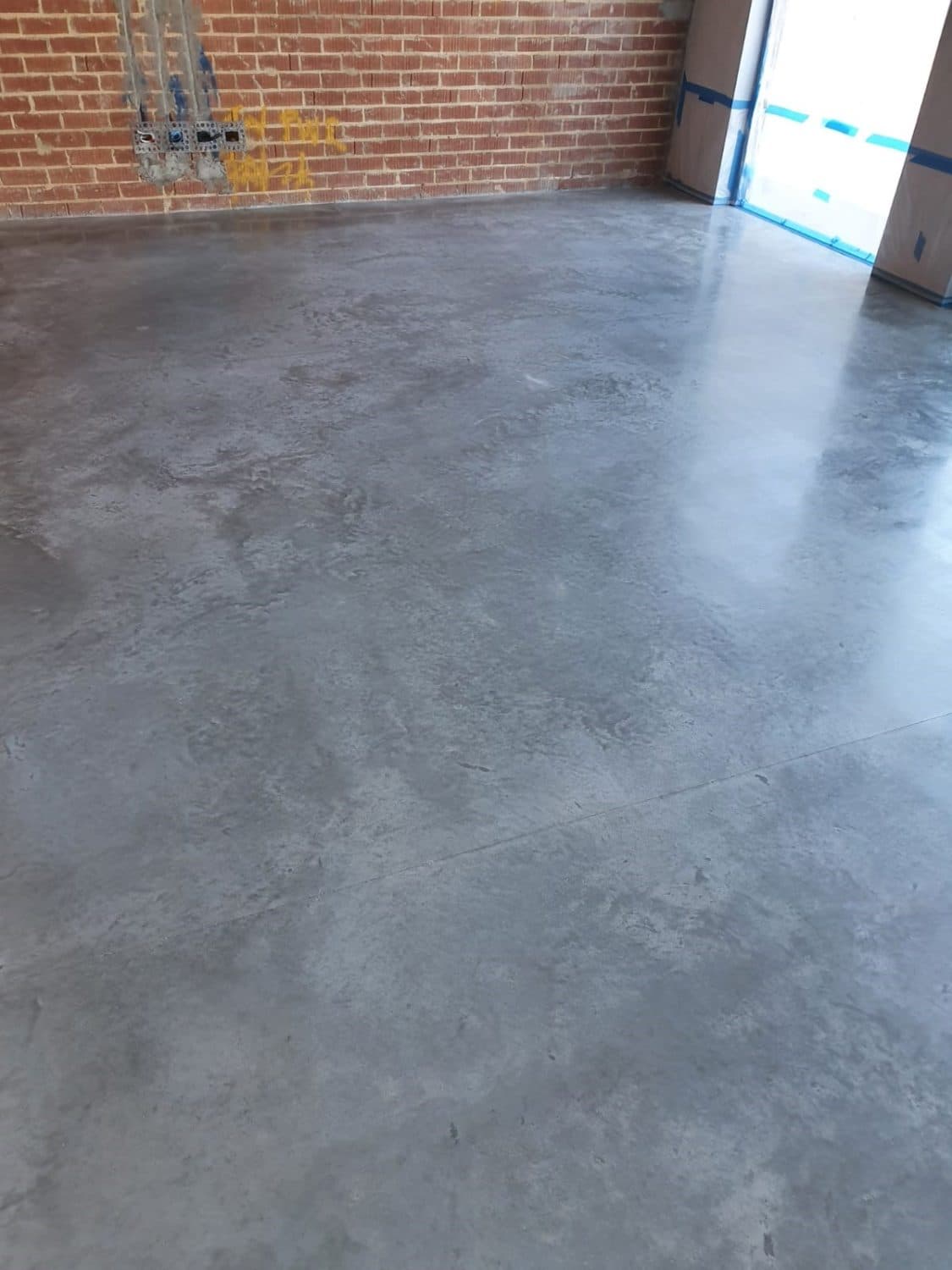
Sealing puts a protective layer over concrete to stop wear, staining and moisture absorption. There are two broad types. A film-forming sealer sits on the surface as a coating. A penetrating sealer soaks in and blocks moisture and contaminants from within.
Which one is on your floor changes how you look after it, so it is worth knowing. If we did the work, just ask us.
The daily and weekly routine
Sweep regularly with a soft-bristle broom or dust mop. The enemy of a sealed floor is grit, because grit underfoot acts like sandpaper and dulls the finish over time.
For a proper clean, use a microfibre mop and a pH-neutral cleaner made for sealed concrete. That is the whole routine.
What not to use
This is where most damage happens. Harsh chemicals break down sealer, and once the sealer is degraded the concrete underneath is exposed.
- Ammonia based cleaners
- Bleach
- Vinegar and other acidic household cleaners
- Abrasive powders and scouring pads
- Anything labelled heavy duty degreaser unless we have said it is safe
Deal with spills quickly
Blot spills with a clean dry cloth rather than wiping, which spreads them. Sealed floors give you time, but they are not indefinitely stain-proof, and the tannin in red wine, oil and pet accidents will all mark a floor if left long enough.
When to reseal
Indoors, a sealed floor in a normal household will usually go for years before it needs attention. You will see it start to dull in the traffic paths first, typically hallways and the run between the kitchen and the back door.
Outdoors is different. Sydney sun, rain and pool traffic mean we recommend a wash and reseal roughly every two years on driveways, patios and pool surrounds. It is a small job that repeatedly prevents a big one, and it is most of the reason good resurfacing lasts as long as it does.